
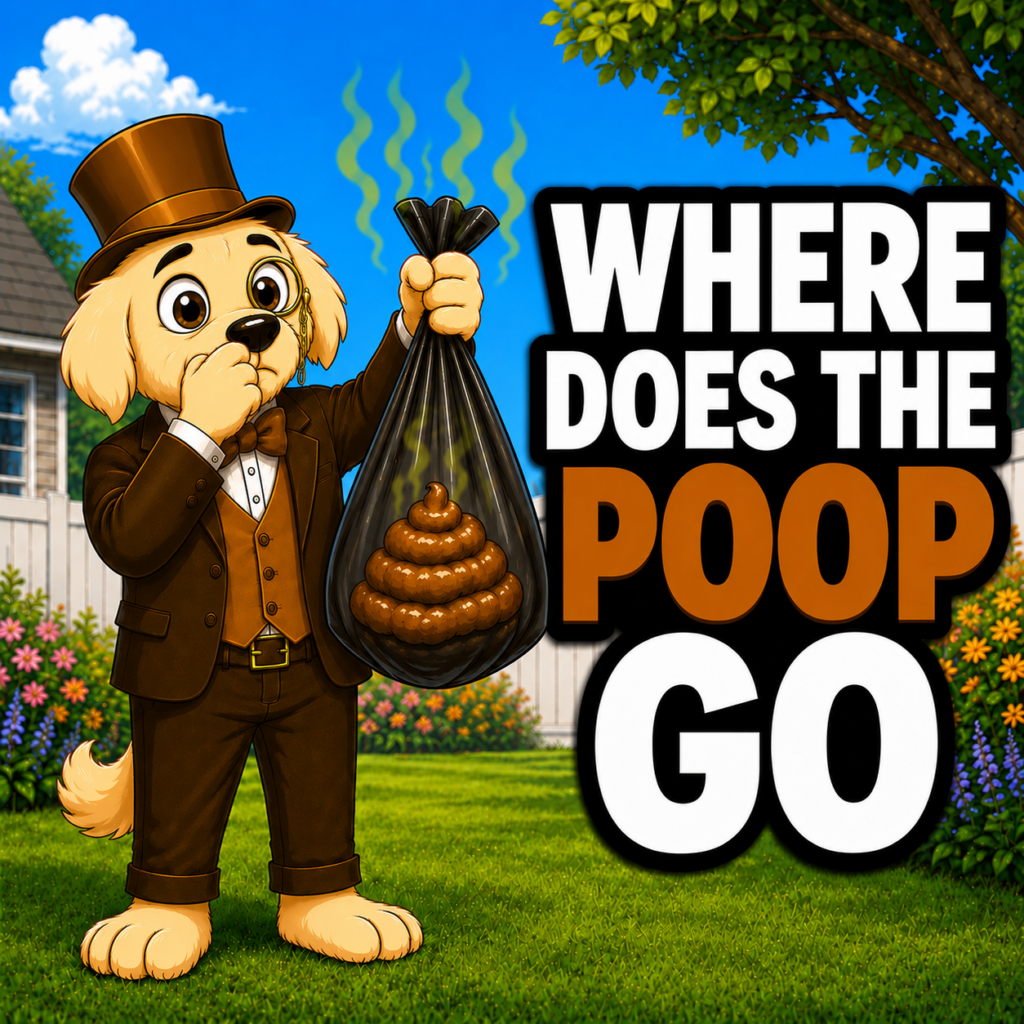
One of the most common questions people ask about the pooper scooper business is simple: what happens to all the dog poop after it gets picked up?
The answer depends on the company, the customer, the location, and the local waste disposal rules in that area.
Some pooper scooper businesses leave the bagged dog waste in the customer’s outdoor trash can. Other companies haul the waste away and dispose of it through a dumpster, transfer station, landfill, or another approved local disposal option.
There is not one single method that every pet waste removal company uses. The right approach depends on what is legal in your area, what your customers expect, how your routes are set up, and whether you want to offer waste haul-away as part of your service.
In this guide, we’ll break down the most common dog waste disposal options for pooper scooper businesses, the pros and cons of each, and what you should think about before choosing a disposal process for your own company.
Quick Answer: What Do Pooper Scooper Businesses Do With Dog Poop?
Most pooper scooper businesses either leave the collected dog waste in the customer’s outdoor trash can or haul it away and dispose of it through an approved waste disposal option.
Leaving the waste in the customer’s trash can is usually the simplest method because it does not require the company to transport large amounts of dog poop throughout the day.
Hauling the waste away can feel like a more premium service to customers, but it also adds more logistics, odor control, vehicle mess, disposal costs, and responsibility for following local rules.
Before choosing a method, always check your city, county, landfill, transfer station, or waste provider rules to make sure your disposal process is allowed in your area.
The Two Main Dog Waste Disposal Methods
Most pooper scooper businesses use one of two dog waste disposal methods:
| Disposal Method | How It Works | Best For |
|---|---|---|
| Customer trash can | Bag the waste and place it in the customer’s outdoor trash can | Simple routes, lower logistics, newer businesses |
| Haul-away disposal | Remove the waste from the property and dispose of it through a dumpster, transfer station, landfill, or approved waste provider | Premium service, established systems, companies with disposal infrastructure |
Both methods can work.
The important thing is to choose a process that is legal, simple, repeatable, and easy to explain to customers.
Option 1: Leaving Bagged Dog Waste in the Customer’s Trash Can
One of the most common dog waste disposal methods is to scoop the yard, bag the waste, and place it in the customer’s outdoor trash can.
This is usually the simplest option for a pooper scooper business because you are not driving around all day with bags of dog poop in your vehicle. It also makes routes cleaner, faster, and easier to manage.
For many residential customers, this is perfectly acceptable as long as it is explained clearly when they sign up.
The main benefits of using the customer’s trash can are:
- Less waste sitting in your vehicle
- Less odor during the route
- Faster service stops
- Less need for dumpsters or transfer station trips
- Fewer disposal logistics
- Easier operations for employees
- More flexibility with vehicle choices
- Lower costs as the business grows
That last point can be a big deal.
If you are hauling waste away, trucks may make more sense because you need room to store waste during the day. But if your process is to place bagged waste in the customer’s outdoor trash can, you may be able to use smaller cars in some markets instead of trucks.
That can save a lot of money on vehicles, fuel, maintenance, and insurance over time.
The downside is that some customers may not like having bagged dog waste placed in their trash can, especially if their trash pickup is still several days away or if the can is stored in a garage.
That is why communication matters.
If this is your disposal method, make it clear in your service policies, website, quote process, and customer onboarding. Customers are usually much more understanding when they know what to expect upfront.
You can also make the experience better by tying bags tightly, placing the waste neatly in the outdoor trash can, and avoiding indoor cans, garage cans, or any location the customer has not approved.
Option 2: Hauling Dog Waste Away
The other common option is to haul the dog waste away from the customer’s property and dispose of it yourself.
This can feel like a more premium service because the customer does not have to deal with the waste at all. For some customers, especially higher-end residential customers, this may be a selling point.
The benefit is simple: the customer’s yard gets cleaned and the waste leaves the property.
The downside is that haul-away adds operational complexity.
If you haul dog waste away, you need to think about:
- Where the waste will be stored during the route
- How you will control odor
- How you will keep vehicles clean
- How often waste will be disposed of
- Whether your local landfill, transfer station, or waste provider allows it
- Whether you need a dumpster or commercial waste service
- How this impacts employee vehicles, company trucks, and route efficiency
Dog waste can smell quickly, especially in warm weather. If bags are sitting in a vehicle all day, that can become a real problem for technicians and customers.
Hauling dog waste away can still work, especially if you already have a reliable dumpster or waste provider setup, but it is not always the most efficient option as you scale.
In many markets, placing bagged waste in the customer’s outdoor trash can can make the business simpler, cleaner, and less expensive to operate.
Dumpsters, Transfer Stations, and Approved Disposal Options
If your company removes dog waste from the customer’s property, you need somewhere approved to dispose of it.
Some pooper scooper businesses use a commercial dumpster. Others take waste to a transfer station, landfill, or another approved local disposal location.
This is where local rules matter.
Before choosing a disposal process, contact your city, county, landfill, transfer station, or waste provider and ask what is allowed for collected pet waste. Rules can vary depending on your area, and you do not want to build your process around something that is not allowed.
Questions to ask include:
- Can bagged dog waste go in regular trash?
- Can a commercial pet waste removal company use a dumpster?
- Are there limits on volume?
- Does the waste need to be double-bagged?
- Are there specific disposal locations required?
- Are there any business license or sanitation requirements?
This is also why dog waste disposal connects back to the legal side of starting the business. If you are still getting set up, you may want to read our guide on pooper scooper business license and legal requirements.
The important thing is to make sure your disposal method is simple, legal, and repeatable.
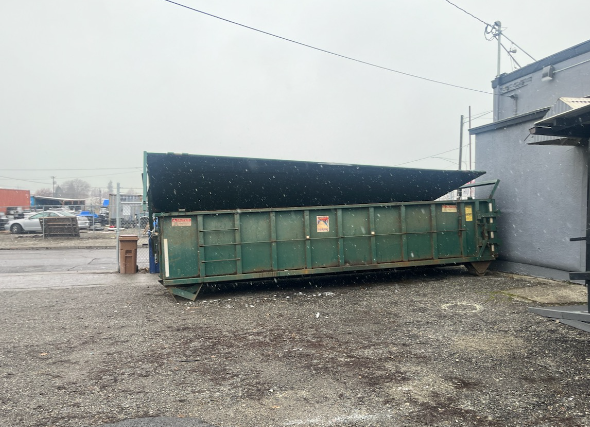
Example from Swoop Scoop®: Hauling dog waste away can require real disposal infrastructure. This 20-yard dumpster was used after spring rush, and it shows why waste disposal logistics can become a serious operational consideration as a pooper scooper business grows.
What Does Swoop Scoop Do With Dog Waste?
At Swoop Scoop®, we have used both dog waste disposal methods.
In our original location, we haul the dog waste away and have an arrangement with Waste Management to service dumpsters on our property. That system works, but it also adds a lot of logistics.
You need a place to store the waste, a dumpster setup, regular pickups, odor control, and vehicles that can handle the process.
In newer locations, we usually place the bagged dog waste in the customer’s outdoor trash can instead.
That change has made operations much simpler.
Using the customer’s trash can can reduce disposal logistics, limit odor issues in vehicles, make routes easier to manage, and even allow a pooper scooper business to use smaller cars instead of trucks in some markets.
That can create significant savings on vehicles, fuel, maintenance, and overall route costs.
This is one of those details that seems small when you are starting, but it matters a lot as you grow.
The main lesson is not that every company should use the exact same disposal method. The lesson is that your disposal process should match your business model, your local rules, your customer expectations, and your route setup.
If you are starting a pooper scooper business, choose the simplest legal disposal method you can clearly explain to customers and consistently train your team to follow.
If you are still planning the basics of your company, our full guide on how to start a pooper scooper business is a good place to start.
Should You Charge Extra to Haul Dog Waste Away?
Some pooper scooper businesses include waste haul-away in their standard service. Others charge extra for it.
There is no single right answer.
If you leave waste in the customer’s trash can, your pricing can usually stay simpler because disposal does not add as much time, odor, or operational cost.
If you haul waste away, you may want to build that cost into your pricing or offer it as an add-on. Hauling waste away can require more time, more bags, more vehicle cleanup, more disposal trips, and potentially more dumpster or waste provider costs.
The key is to make sure your pricing matches your process.
If haul-away makes your service more valuable to the customer and more expensive for you to provide, it is reasonable to charge for it.
For help thinking through pricing, you can also read our guide on how much pooper scoopers charge.
What Customers Care About Most
Most customers do not want a long explanation of dog waste disposal. They mainly want to know that their yard will be cleaned, the service will be reliable, and the process will not create a mess or odor problem.
That means your disposal policy should be easy to understand.
For example, your policy might say something like:
“We bag and dispose of collected pet waste in your outdoor trash can unless another arrangement has been made.”
Or:
“We remove collected pet waste from the property and dispose of it according to local waste disposal requirements.”
The wording will depend on your process, but the goal is the same: set expectations clearly before there is a problem.
A simple disposal policy can prevent misunderstandings, complaints, and awkward conversations later.
Common Dog Waste Disposal Mistakes
Dog waste disposal is not complicated, but there are a few mistakes new business owners should avoid.
Not Checking Local Rules
Do not assume every city, county, landfill, or waste provider treats pet waste the same way.
Before hauling waste away or using a dumpster, make sure your method is allowed in your area.
Not Explaining the Policy to Customers
If customers are surprised by where the waste goes, they may complain.
Make your disposal policy clear on your website, in your quote process, and in your customer onboarding.
Letting Waste Sit Too Long
Dog waste can smell bad quickly, especially during summer.
If you haul waste away, make sure you have a process for removing it from vehicles and disposing of it regularly.
Creating Odor Problems in Vehicles
If your technicians are carrying waste throughout the day, you need a system for odor control, storage, and cleanup.
A messy or smelly vehicle can hurt employee morale and make your company look less professional.
Overcomplicating the Process Too Early
When you are just getting started, keep the process simple.
You can always improve your system as your route density, customer count, and team grow.
Dog Waste Disposal FAQs
Can dog poop go in the regular trash?
In many areas, bagged dog poop can go in the regular trash, but rules can vary by city, county, landfill, or waste provider. Always check your local rules before deciding how your pooper scooper business will dispose of collected dog waste.
Do pooper scooper businesses take the poop with them?
Some pooper scooper businesses take the dog poop with them, while others place the bagged waste in the customer’s outdoor trash can. Both methods are common. The best option depends on local rules, customer expectations, and how the business is set up operationally.
Is hauling dog waste away better than using the customer’s trash can?
Hauling dog waste away can feel like a more premium service, but it also adds more work, odor control, vehicle cleanup, disposal costs, and operational responsibility. Using the customer’s trash can is usually simpler, but it needs to be explained clearly upfront.
Should I offer dog waste haul-away as an add-on?
You can offer dog waste haul-away as an add-on if it creates extra work or disposal cost for your business. Some customers may be willing to pay more for the waste to leave the property completely.
What is the best dog waste disposal method for a new pooper scooper business?
For many new pooper scooper businesses, the best method is the simplest legal option in their area. That may be placing bagged waste in the customer’s outdoor trash can or using an approved disposal location. The key is to keep the process clear, repeatable, and compliant with local rules.
Why do some pooper scooper companies leave dog waste in the customer’s trash can?
Some pooper scooper companies leave bagged dog waste in the customer’s outdoor trash can because it simplifies operations. It can reduce odor in vehicles, eliminate extra disposal trips, lower vehicle requirements, and make routes easier to manage.
Get Help Building Your Pooper Scooper Business
Dog waste disposal is just one part of running a real pet waste removal company.
You also need to think about pricing, equipment, customer policies, billing, marketing, route density, hiring, and systems. The more your business grows, the more important it becomes to have simple processes your team can actually follow.
If you want help starting or growing your own pooper scooper business, Poop Scoop Millionaire™ gives you training, tools, resources, and a community of other pet waste removal business owners who are working through the same challenges.
If you want to build your business with a proven roadmap instead of figuring everything out alone, join Poop Scoop Millionaire™.