Customer complaints are part of running any local service business, including pooper scooper service.
Most complaints are not disasters. They are usually a sign that something in your system needs to be clearer, faster, or better documented.
The key is to respond quickly, stay professional, fix the issue when appropriate, and use the complaint to improve your process.
Quick Answer: How Should You Handle Pooper Scooper Customer Complaints?
The best way to handle pooper scooper customer complaints is to listen, respond quickly, document the issue, decide whether a redo, credit, refund, or policy reminder is needed, and then fix the root problem so it does not keep happening.
Do not ignore complaints. But also do not treat every complaint like an emergency.
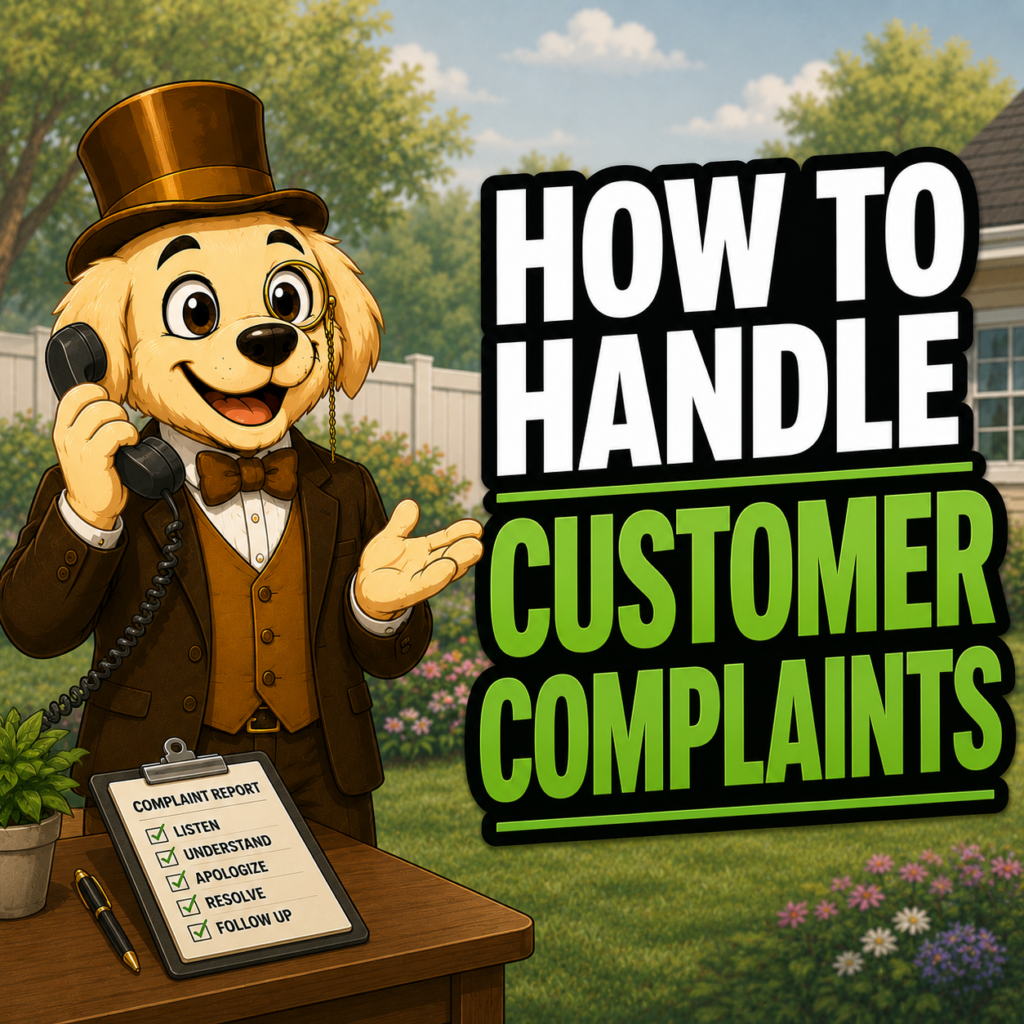
A simple complaint process should include:
-
Listen to the customer
-
Stay calm and professional
-
Check technician notes, photos, or route history
-
Decide what actually happened
-
Offer a fair solution
-
Document the issue
-
Update your process if needed
The goal is not just to make one customer happy. The goal is to build a business that handles issues consistently.
1. Missed or Incomplete Service Complaints
One of the most common complaints is that a yard was missed or not cleaned well enough.
Sometimes the technician made a mistake. Sometimes waste was hidden in leaves, snow, tall grass, or hard-to-see areas. Sometimes the customer may have expected more than what your service includes.
The best response is to check the service notes, completion photos, GPS history, or technician feedback if you have it.
If your team clearly missed something, fix it.
A simple response could be:
“Thanks for letting us know. We’re sorry about that. We’ll review the visit and get this corrected.”
If the issue was caused by something like snow, unsafe access, or locked gates, explain the policy clearly and professionally.
For winter-related service issues, you can link customers or team members to your own policy guidance from your winter operations article.
2. Gate, Access, and Dog Issues
Gate and dog issues are another common source of complaints.
Customers may complain that service was skipped because the gate was locked, a dog was outside, or your technician could not safely access the yard.
This is why your policies need to be clear before service starts.
Your team should know what to do if:
-
A gate is locked
-
A gate is frozen or broken
-
A dog is acting aggressive
-
A dog is loose in the yard
-
The technician feels unsafe
-
The yard cannot be accessed
Technician safety comes first. No yard is worth an injury.
If you need a broader safety policy, read our guide on pooper scooper safety tips for technicians.
3. Billing Complaints
Billing complaints usually happen when customers do not understand when they are charged, what is included, or how cancellations work.
This is why billing should be simple and explained upfront.
Common billing complaints include:
-
“Why was I charged before service?”
-
“Why did I get charged for an initial cleanup?”
-
“Why was I charged after a skipped visit?”
-
“Why did my price change?”
-
“Why was service paused after a failed payment?”
The best way to prevent billing complaints is to use clear billing policies from the beginning.
For most pooper scooper businesses, we recommend pre-billing, requiring a card on file, and explaining your cancellation and failed payment policies clearly.
You can read more in our customer billing guide.
4. Property Damage Complaints
Property damage complaints need to be taken seriously.
This could include a gate left open, a damaged latch, broken yard decor, tire marks, or a customer claiming something was damaged during service.
Do not argue right away.
Start by gathering information:
-
What happened?
-
When did it happen?
-
Who serviced the yard?
-
Are there photos?
-
Are there technician notes?
-
Has this happened before?
If your company caused the issue, own it and fix it when reasonable.
If you do not believe your company caused the issue, stay professional and avoid blaming the customer.
Documentation matters here. Gate photos, completion photos, notes, and route history can protect both the customer and the business.
5. Communication Complaints
Sometimes the complaint is not really about the cleanup. It is about communication.
Customers may feel frustrated if they do not know when you are coming, why service was skipped, why their card failed, or why a technician did not clean part of the yard.
Good communication can prevent a lot of complaints.
Helpful communication includes:
-
On-the-way messages
-
Completion notifications
-
Gate or access notes
-
Weather delay updates
-
Failed payment notices
-
Clear cancellation policies
-
Simple customer support responses
Customers do not expect everything to be perfect. But they do expect to know what is going on.
When Should You Give a Credit, Redo, or Refund?
Not every complaint needs a refund.
Sometimes the right answer is a redo. Sometimes it is a small credit. Sometimes it is simply explaining the policy.
A good rule is:
-
Redo the service if your team clearly missed something
-
Credit the customer if the issue was minor but worth smoothing over
-
Refund only when it is clearly appropriate
-
Explain the policy when the complaint is caused by access, safety, weather, or customer misunderstanding
Be fair, but do not train customers that every complaint automatically gets free service.
Document Every Complaint
Every complaint should be documented.
This does not need to be complicated. Just keep a note in your CRM, route software, customer profile, or internal system.
Document:
-
What the customer said
-
What your team found
-
Photos or notes if available
-
What solution was offered
-
Whether the issue was resolved
-
Any policy reminders sent
Documentation helps you spot patterns.
If the same technician keeps getting missed-yard complaints, that may be a training issue. If the same customer complains every week, that may be a customer-fit issue. If multiple customers complain about billing, your billing policy may not be clear enough.
Common Complaint Handling Mistakes
Ignoring the Customer
A slow response can make a small issue feel much bigger.
Getting Defensive
Even if the customer is wrong, stay professional. Future customers may judge your business by how you respond.
Giving Refunds Too Quickly
Refunds are sometimes appropriate, but they should not be your only solution.
Not Documenting Issues
If you do not document complaints, you will keep solving the same problems over and over.
Not Fixing the System
A complaint is useful if it helps you improve your process. Do not just handle the customer. Fix the root issue.
Pooper Scooper Customer Complaint FAQs
What are common pooper scooper customer complaints?
Common complaints include missed service, incomplete cleanups, billing questions, locked gates, dogs in the yard, property damage concerns, weather delays, and poor communication.
Should I refund a customer who complains?
Not always. Sometimes a redo, credit, or clear explanation is better than a refund. The right response depends on what happened and what your policy says.
What if a customer complains but the technician did nothing wrong?
Stay professional, review the facts, explain the policy, and document the issue. You can be polite without automatically accepting blame.
How can I prevent customer complaints?
Clear policies, good communication, technician notes, gate photos, billing transparency, and consistent service will prevent many complaints before they happen.
Build Better Systems as You Grow
Customer complaints are easier to handle when your business has clear systems.
Inside Poop Scoop Millionaire™, we help pooper scooper business owners think through operations, customer policies, billing, marketing, hiring, and the systems needed to grow.